A structured trauma recovery system, built for long‑term wellbeing.
Citta is a structured trauma recovery system developed to support individuals in building stability, processing trauma, and moving toward independence and long‑term wellbeing.
We understand that reaching out for support can feel overwhelming, and our goal is to make the process feel safe, clear, and manageable.
The name “Citta” (pronounced Chit-ta) refers to the inner mind and awareness. It reflects our focus on helping individuals develop clarity, emotional balance, and a deeper connection with themselves.
Citta was created from over two decades of experience working within mental health systems across different countries and care settings. Over time, it became clear that many individuals were not receiving the right support at the right stage of their journey. By the time help was accessed, challenges had often become more complex and harder to resolve.
This led to a shift in focus — from reactive care to structured, proactive recovery.
Trauma‑informed care
Evidence‑based modalities
Multi‑country experience
Refined since 2019
Why Citta exists
A shift from reactive care to structured, proactive recovery.
Citta was built on a simple but important understanding: earlier, structured, and guided support can significantly change the course of a person’s life.
Since 2019, extensive work has gone into developing and refining models that support early intervention, structured therapy, and long‑term wellbeing. This included the development of digital tools, workplace mental health models, and system‑based approaches designed to improve outcomes across different environments.
While many of these initiatives highlighted strong potential, navigating traditional systems often limited their ability to reach the people who needed them most. Citta brings these learnings together into a practical, accessible model delivered through existing pathways, ensuring that individuals can receive structured support without unnecessary delays.
The right support, at the right stage
Earlier and structured intervention prevents complexity from compounding.
Practical, accessible delivery
Delivered through existing pathways, removing unnecessary delays and barriers.
System‑informed design
Built on years of learning across digital, workplace, and clinical care.
Our approach
A structured pathway, supporting recovery in phases.
A 12‑week individual therapy phase focused on stabilisation, assessment, and trauma‑informed care.
Citta Integration Circle
A guided group program designed to help individuals apply what they have learned in real‑life situations and build sustainable change.
An ongoing support environment that helps individuals stay connected to their progress and continue developing long‑term wellbeing.
Our philosophy
Recovery is built through structure, consistency, and the right level of support at the right time.
What we believe
Three principles, no filler.
i.
Structured, not open‑ended
Recovery is built through structure, consistency, and clear stages — not indefinite sessions without direction.
ii.
Capacity, not dependency
The goal is to help individuals build the internal capacity to manage their lives, not to create reliance on therapy.
iii.
Evidence‑based, individualised
Trauma‑informed and evidence‑based approaches, integrated and adapted to each person's context.
Leadership
Founded on two decades of clinical experience.
Citta is founded by a mental health professional with over 20 years of experience in psychiatry, counselling, and system‑based care delivery. This experience spans multiple countries and levels of care, including inpatient settings, community mental health, and service design.
Leadership
Dilipchandra Balachandran
Founder & CEO
Over 20 years of experience in psychiatry, counselling, and system-based care delivery — across multiple countries and levels of care, including inpatient settings, community mental health, and service design.
Citta is not a new idea — it is the result of years of clinical experience, system learning, and a continued effort to improve how and when people receive support.

The team
Clinicians who built the system they wished existed.
Eight people: psychologists, social workers, peer practitioners and operations. Every participant gets matched to a clinical lead within 72 hours of intake.
Dipti Bhattarai
With over 10 years of experience supporting individuals within the NDIS sector, I am passionate about helping people access the right supports in a way that feels safe, respectful, and empowering.
I understand that reaching out for support or navigating services for yourself or a loved one can sometimes feel overwhelming or uncertain. My role is to help make that process feel calmer, clearer, and more manageable.
At Citta, we believe recovery should feel guided, structured, and supportive rather than confusing or rushed. I am committed to helping each person feel heard, understood, and comfortable as they take the next step in their journey.
My approach is centred around trust, compassion, and creating a supportive experience where people feel safe to move forward at their own pace.

Vishal Patel
Vishal works within the Citta Foundation Program, supporting individuals through structured, trauma-informed therapy focused on stability, emotional regulation, and long-term recovery.
With over 15 years of experience working across mental health and recovery-focused care, Vishal brings a calm, grounded, and relational approach to therapy, creating a safe environment where individuals can begin working through complex experiences at a pace that feels manageable and supported.
His work focuses on helping individuals reconnect with their sense of safety, identity, and direction while building practical foundations for long-term wellbeing.
At Citta, his role forms part of a broader structured recovery pathway designed to support meaningful and sustainable progress over time.
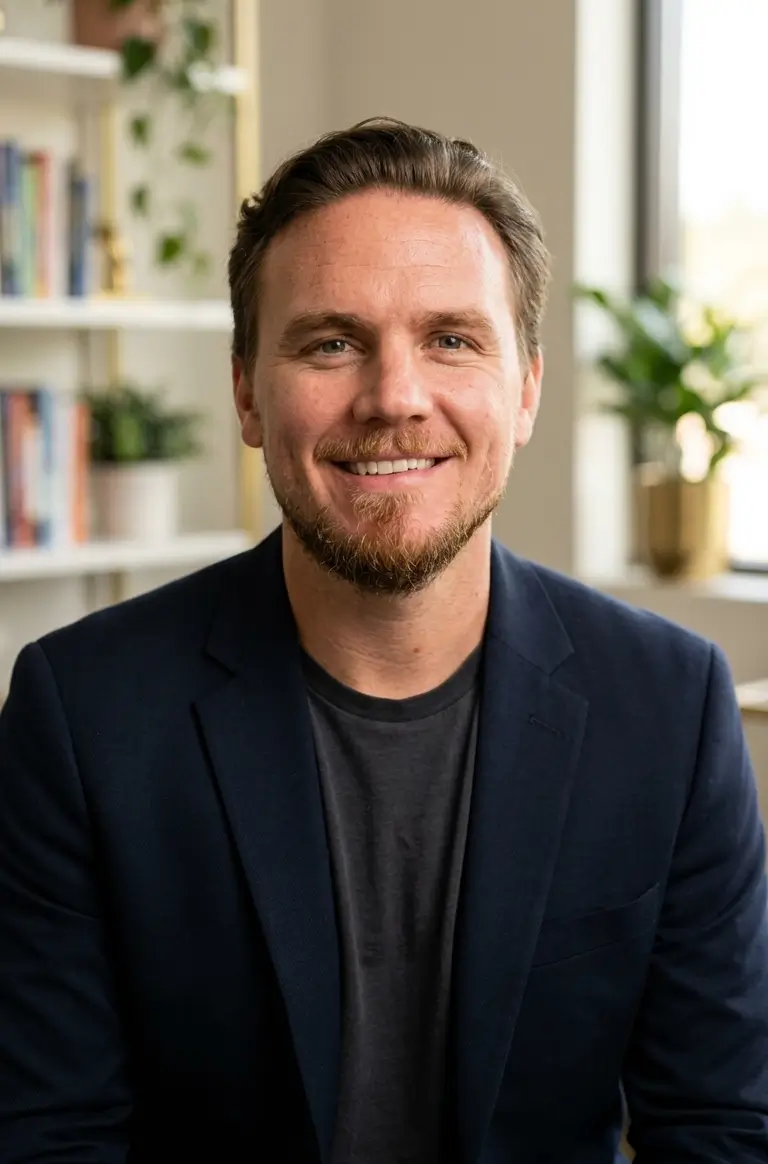
Wade
Wade brings over a decade of experience to trauma-informed counselling, along with a way of working that is steady, respectful, and genuinely unhurried. He creates a calm and supportive space where people can explore what they are carrying at their own pace, without pressure or judgment.
He understands that recovery is rarely a straight line. In his experience, meaningful progress happens when people feel truly heard, emotionally supported, and guided through a process that feels clear and manageable rather than overwhelming. Wade works collaboratively and consistently, helping clients build greater clarity, confidence, and emotional steadiness over time.
Within the Citta Foundation Program, Wade supports clients through a structured trauma-informed pathway designed to help people move from overwhelm and fragmentation toward greater grounding, resilience, and sustainable wellbeing.
Looking ahead
A scalable model, focused on its core purpose.
Citta is designed as a scalable model that can continue to evolve and expand, while remaining focused on its core purpose: providing structured, accessible, and effective pathways for individuals to improve their mental health and overall quality of life.